
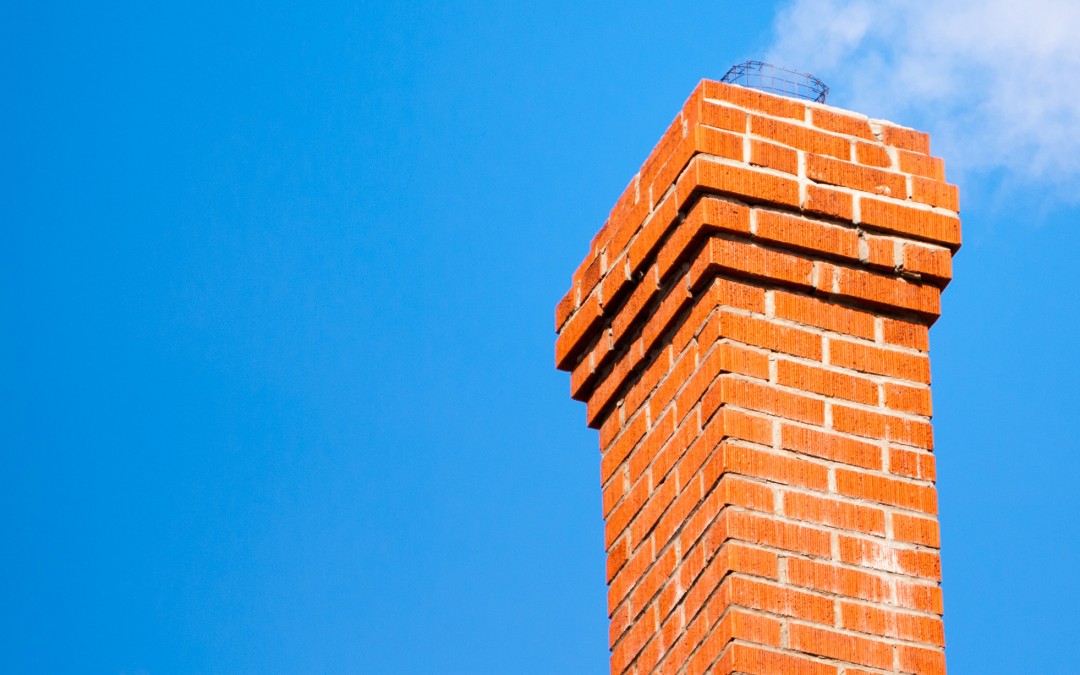
Why Your Chimney Could Be Your Roof’s Biggest Weakness
There are few things more frustrating for a homeowner than noticing water coming through your chimney after a bout of heavy rain. Chimney leaks are one of the most common roofing problems we see across Sussex, and left untreated, they can cause serious and costly damage to your home. The good news? Most chimney leaks are entirely preventable with the right knowledge and regular chimney maintenance.
At Apex Roofing Sussex, we have helped homeowners across Worthing, Brighton, Eastbourne, and the wider Sussex area protect their properties from chimney-related water damage for years. In this guide, we will walk you through the most common causes of chimney leaks, the warning signs to look out for, and the practical steps you can take to keep your chimney watertight all year round.
The Real Dangers of Chimney Leaks and Water Damage
It is easy to underestimate a small leak, but water ingress through your chimney can lead to a cascade of problems throughout your home. Even a modest amount of moisture finding its way in over time can cause significant structural and cosmetic damage.
When water penetrates your chimney stack, it can seep into surrounding brickwork, roof timbers, and internal walls. Over time, this leads to damp patches, peeling wallpaper, and stained ceilings around the chimney breast. More seriously, persistent moisture creates the ideal conditions for mould growth. The UK Government warns that damp and mould within the home can produce allergens, irritants, and toxins that are harmful to health, making it essential to address any sources of water ingress promptly.
Beyond health concerns, unchecked water damage can rot roof timbers, compromise the structural integrity of your chimney stack, and even damage your fireplace and flue liner. In the worst cases, a neglected chimney leak can lead to chimney stack instability, requiring far more extensive and expensive chimney stack repair than would have been needed if the issue had been caught early.
Common Causes of Chimney Leaks
Understanding why chimneys leak is the first step towards preventing problems. Here are the most frequent causes we encounter when carrying out chimney repair across Sussex.
Damaged or Missing Chimney Cap
A chimney cap (sometimes called a chimney cowl) sits at the very top of your chimney pot and serves as the first line of defence against rain, snow, and debris. If your chimney cap is cracked, displaced, or missing altogether, rainwater can fall directly down into the flue and eventually find its way into your home. A chimney cap also helps prevent birds from nesting inside the flue, which can create blockages and additional moisture problems. The National Association of Chimney Sweeps (NACS) recommends regular sweeping and checks to ensure your chimney is properly capped and free from obstructions.
Cracked or Deteriorating Chimney Crown
The chimney crown is the cement or mortar surface that tops the chimney stack and surrounds the chimney pot. Its purpose is to direct water away from the stack and prevent it from pooling around the base of the pot. Over time, especially in the unpredictable British weather, chimney crowns can crack and crumble. These cracks allow rainwater to seep into the chimney structure, and once water is inside, it can cause further deterioration through freeze-thaw cycles during winter.
A cracked chimney crown is one of the most common issues we find during a routine chimney inspection, and catching it early means a simple repair rather than a full chimney crown replacement.
Faulty or Failing Lead Flashing
Lead flashing is the material used to seal the joint between your chimney stack and the roof surface. It is one of the most critical waterproofing elements on any roof, and when it fails, a roof leak around the chimney is almost inevitable. Lead flashing can deteriorate over time due to thermal expansion, weathering, or poor installation. If you notice water stains on walls or ceilings near your chimney, faulty lead flashing is often the culprit.
Lead flashing repair and chimney flashing repair are among the most common jobs we carry out at Apex Roofing Sussex. In many cases, a professional repair or replacement of the flashing is all that is needed to resolve a persistent leak. The Institute of Historic Building Conservation (IHBC) notes that replacement lead should match the thickness of the original material to ensure proper, long-lasting performance.
Deteriorating Brickwork and Mortar Joints
The brickwork and mortar joints of your chimney stack are constantly exposed to wind, rain, and temperature changes. Over the years, mortar can erode, crack, or fall away entirely, and bricks themselves can become porous or start to spall. When this happens, your chimney acts like a sponge, absorbing water that works its way deeper into the structure.
Repointing, which is the process of renewing the external mortar joints, is an essential part of chimney maintenance that helps prevent water absorption. The Society for the Protection of Ancient Buildings (SPAB) advises that chimneys require more frequent maintenance than other areas of masonry due to their exposed and elevated position on the roof.
Condensation Inside the Chimney or Flue
Not all chimney moisture comes from outside. If your chimney is not properly ventilated, or if you have an unused fireplace that has been sealed without adequate airflow, condensation can build up inside the flue. This internal moisture can cause damp patches on the chimney breast and surrounding walls, and it is often mistaken for an external leak. Ensuring proper ventilation, particularly for unused chimneys, can help prevent this issue. Historic England offers helpful guidance on managing unused chimneys and maintaining adequate ventilation while improving energy efficiency.
Warning Signs of a Leaking Chimney
Spotting a chimney leak early can save you a significant amount of money and hassle. Knowing what to look for means you can act quickly and arrange a chimney leak repair before the damage spreads.
Damp patches or water stains on the walls or ceiling near your chimney breast are the most obvious indicator. You might also notice a musty smell in the room where the fireplace is located, which often points to mould growth behind the walls or within the chimney. Peeling paint or wallpaper near the chimney area is another common sign, as is visible efflorescence, which appears as white, chalky deposits on the exterior brickwork.
On the outside of your property, keep an eye out for crumbling mortar between the bricks, missing or cracked sections of the chimney crown, and lead flashing that appears to be lifting or separating from the brickwork. If you can see daylight or gaps where the flashing meets the chimney or the roofline, it is time to call in a professional for a thorough chimney inspection.
During wetter months, you may even notice water dripping directly into the fireplace or gathering in the hearth. If you spot any of these signs, do not delay. Addressing a small chimney leak now can prevent a much larger bill down the line.
How to Prevent Chimney Leaks and Water Damage
Prevention is always better, and far cheaper, than cure. Here are the most effective steps you can take to protect your chimney and keep water out of your home.
Schedule Regular Chimney Inspections
An annual chimney inspection is the single best thing you can do to prevent leaks and water damage. A professional inspection will identify minor issues, such as hairline cracks in the crown, early mortar erosion, or slight flashing movement, before they develop into serious problems. At Apex Roofing Sussex, we recommend that homeowners across Sussex schedule a chimney inspection at least once a year, ideally before the wetter autumn and winter months arrive. You can read more about how regular roof inspections can save you money on repairs over on our blog.
Maintain and Repair Lead Flashing Promptly
Because faulty flashing is one of the leading causes of chimney leaks, keeping your lead flashing in good condition is essential. If your flashing has started to lift, crack, or separate from the brickwork, have it repaired or replaced as soon as possible. Roof flashing repair is a relatively straightforward job for experienced roofers in Sussex, and it makes a huge difference to the watertightness of your roof. Do not be tempted to patch flashing with sealant as a long-term solution, as this is only ever a temporary fix that may mask a worsening problem.
Address Brickwork and Mortar Damage Early
Do not wait until chunks of mortar are falling away or bricks are visibly crumbling to take action. Regular repointing and brickwork repairs will extend the life of your chimney stack considerably and help keep water out. If you notice any signs of deterioration, especially after a harsh winter or a particularly stormy period, it is well worth having a professional take a closer look.
Install or Replace a Chimney Cap
If your chimney does not have a cap, or if the existing one is damaged, fitting a new one is a simple and cost-effective way to prevent rainwater from entering the flue. A good quality chimney cap will also reduce downdrafts and keep out birds and debris, helping to maintain proper airflow through the chimney.
Protect Against Freeze-Thaw Damage
Sussex may not experience the harshest winters in the UK, but temperatures still drop low enough for freeze-thaw cycles to take their toll on chimney masonry. When water seeps into tiny cracks in the brickwork or mortar and then freezes, it expands and forces those cracks wider. Over time, this repeated process can cause serious structural damage. Ensuring your chimney is properly maintained and that any cracks are sealed before winter arrives is the best defence against freeze-thaw deterioration.
Consider Chimney Waterproofing
Applying a breathable waterproofing treatment to the exterior of your chimney stack can add an extra layer of protection against rain penetration. It is important that any waterproofing product used is vapour-permeable, meaning it allows moisture to escape from the inside while preventing water from getting in from the outside. This is particularly worthwhile for older chimneys with more porous brickwork that are more susceptible to water absorption.
When a Chimney Leak Might Actually Be a Roof Leak
It is worth noting that not every leak near your chimney is actually caused by the chimney itself. In some cases, what appears to be water coming through the chimney is actually a roof leak around the chimney that has nothing to do with the chimney stack, crown, or flashing.
Damaged or displaced roof tiles, cracked ridge tiles, or issues with the felt or membrane beneath the tiles can all allow water to enter the roof space and travel along timbers until it appears near the chimney. This is one reason why a thorough professional inspection is so important. At Apex Roofing Sussex, our team will assess the entire area around the chimney, including the surrounding roof structure, to accurately identify the true source of the problem before recommending any repairs.
If your property has recently suffered from storm damage, this can also be a contributing factor, as high winds and heavy rain can dislodge tiles, flashing, and mortar in a single event. Our emergency roof work service is available when you need a rapid response to prevent further damage to your home.
Don’t Wait for the Drip to Become a Downpour
Chimney leaks are one of those problems that only get worse with time. What starts as a faint damp patch or a small water stain can quickly escalate into serious structural damage, mould growth, and costly repairs if left unchecked. The key to preventing chimney leaks and water damage is staying proactive: schedule regular inspections, address minor repairs promptly, and never ignore the early warning signs.
Whether you need a chimney inspection, lead flashing repair, chimney stack repair, or want to fix a chimney leak that has already started, it always pays to work with experienced professionals who understand the unique challenges that properties across Sussex face. From the coastal conditions in Brighton and Worthing to the exposed positions of homes further inland, every chimney has its own vulnerabilities, and a tailored approach to chimney maintenance will always deliver the best results.
Frequently Asked Questions
What causes water to come through a chimney?
The most common causes include damaged or missing chimney caps, cracked chimney crowns, faulty lead flashing, deteriorating mortar joints, and condensation inside the flue. Any of these issues can allow water to enter the chimney structure and eventually make its way into your home. A professional chimney inspection is the best way to pinpoint exactly where the problem lies.
How often should I have my chimney inspected?
We recommend an annual chimney inspection, ideally carried out before the autumn and winter months when rainfall is heaviest. Regular inspections help catch small problems before they develop into expensive repairs, saving you money and hassle in the long run.
Can I fix a chimney leak myself?
While some minor maintenance tasks like clearing debris from around the chimney pot can be done by a handy homeowner, most chimney leak repairs involve working at height and require specialist knowledge. For safety and quality reasons, we always recommend using professional roofers in Sussex for chimney repair work.
How much does chimney flashing repair cost?
The cost of chimney flashing repair varies depending on the extent of the damage, the size of the chimney, and the type of flashing material used. The best way to get an accurate figure is to request a no-obligation quote from a reputable local roofer who can assess the situation in person.
What is the difference between a chimney crown and a chimney cap?
A chimney crown is the cement or mortar layer that covers the top of the chimney stack and surrounds the chimney pot. A chimney cap, on the other hand, is a removable cover that sits on top of the chimney pot itself to keep out rain, debris, and animals. Both play important but different roles in keeping water out of your chimney.
Will my home insurance cover chimney leak repairs?
This depends on your specific policy and the cause of the leak. Many standard home insurance policies cover damage caused by storms or sudden events but may not cover damage resulting from gradual wear and tear or lack of maintenance. It is best to check your policy wording or speak with your insurer directly to understand what is and is not covered.
Ready to Protect Your Chimney? Get in Touch With Apex Roofing Sussex
If you are concerned about a chimney leak, or you simply want to stay ahead of potential problems with a professional chimney inspection, the team at Apex Roofing Sussex is here to help. We are a trusted, family-run roofing business proudly serving homeowners across Worthing, Brighton, Eastbourne, and the wider Sussex area.
Whether you need chimney repair in Sussex, lead flashing repair, or a full chimney stack repair, we will provide honest advice and quality workmanship you can rely on. Get in touch today to arrange a no-obligation quote or to discuss your chimney maintenance needs.
You can reach us through our contact page or email us directly at info@apexroofingsussex.co.uk. We look forward to hearing from you.