
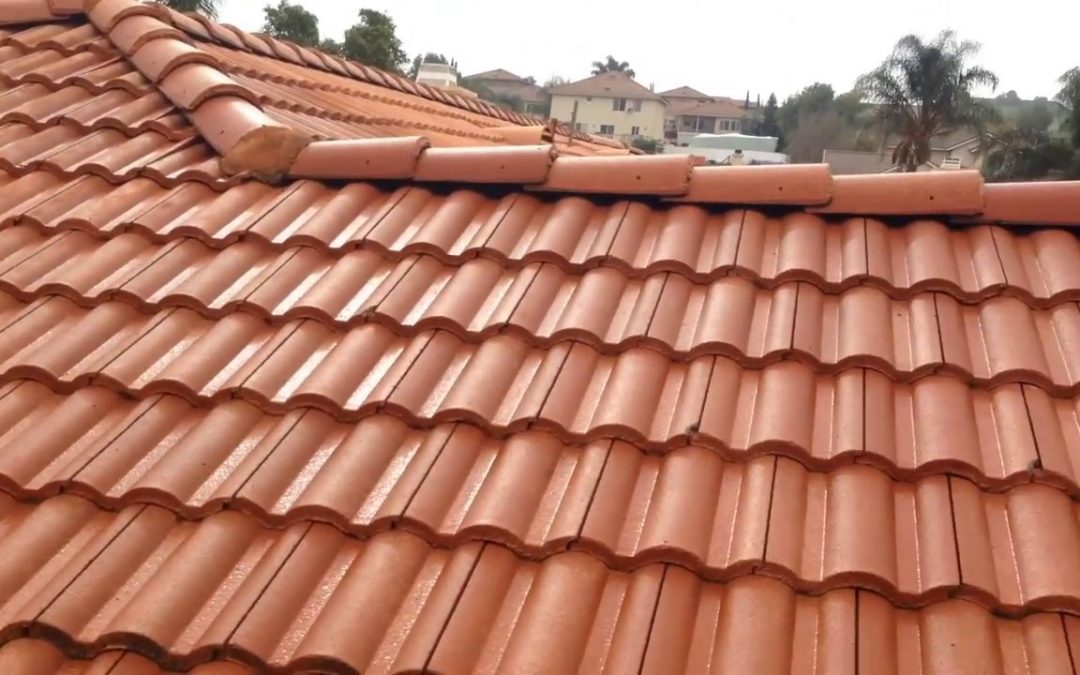
Your Roof Is Silently Crying for Help. Here Is How to Listen
Your roof is one of the hardest working parts of your home, yet it is often the most overlooked. Day after day, it shields your property from rain, wind, and everything the Sussex weather throws at it. But without regular roof maintenance, small issues can quietly develop into serious problems that hit your wallet hard.
At Apex Roofing Sussex, we have seen first-hand how a little preventative care can save homeowners thousands of pounds in avoidable roof repairs. With over 25 years of experience working across Sussex, from Worthing and Brighton to Haywards Heath and Chichester, we know exactly what it takes to keep roofs in top condition. In this guide, we are sharing our best roof maintenance tips so you can protect your home, extend the life of your roof, and prevent roof damage before it becomes a costly headache.
Why Regular Roof Maintenance Matters More Than You Think
It is easy to adopt an “out of sight, out of mind” approach when it comes to your roof. After all, if nothing is leaking, everything must be fine, right? Unfortunately, that is rarely the case.
Minor problems such as cracked tiles, loose flashing, or a small build-up of moss can escalate surprisingly quickly. Left unchecked, they allow moisture to seep into your roof structure, leading to water damage, timber rot, and even structural compromise. The cost of reactive emergency repairs is almost always significantly higher than the cost of regular home roof maintenance.
Preventative roof care is not just about saving money, though. A well-maintained roof contributes to better energy efficiency in your home. According to the Energy Saving Trust, a quarter of heat in an uninsulated home is lost through the roof, so keeping your roof and loft insulation in good order has a direct impact on your heating bills.
Regular maintenance also protects the validity of any manufacturer warranties on your roofing materials and can support insurance claims should the worst happen. In short, investing a little time and money into roof upkeep now pays dividends for years to come.
How to Carry Out a Visual Roof Inspection
One of the simplest and most effective roof maintenance tips we can share is to carry out regular visual inspections. You do not need to climb onto your roof to do this. In fact, we would strongly advise against it for safety reasons. Instead, use binoculars from ground level or look from an upstairs window to check for obvious signs of wear and tear.
Here is what to look for during a visual inspection:
Look for any cracked, slipped, or missing tiles or slates. Even a single displaced tile can allow water to penetrate the underlayer. Check the ridge tiles along the top of a pitched roof, as the mortar pointing can deteriorate over time, especially in exposed coastal areas of Sussex.
Pay close attention to the condition of your flashing. These are the metal strips that seal the joints around chimneys, walls, vents, and skylights. If the flashing looks lifted, corroded, or has gaps, it is a prime entry point for water. Our team regularly carries out chimney repairs across Sussex, and deteriorated chimney flashing is one of the most common causes of roof leaks we encounter.
You should also look for signs of sagging or dipping in the roofline, which could indicate structural issues with the timbers beneath. Any daylight visible from inside your loft space is another warning sign that should prompt a professional roof inspection.
We recommend inspecting your roof at least twice a year, ideally in spring and autumn, and always after periods of severe weather.
Cleaning Gutters and Downspouts to Prevent Roof Leaks
Blocked gutters are one of the leading causes of roof and fascia damage, yet they are one of the easiest things to stay on top of. When gutters become clogged with leaves, moss, and debris, rainwater has nowhere to go. Instead of draining safely away from your property, it backs up and can overflow onto walls, seep under roof tiles, and cause damp problems internally.
We recommend cleaning your gutters at least twice a year, particularly in late autumn after the leaves have fallen and again in spring. If your property is near mature trees, you may need to clean them more frequently.
While clearing your gutters, take the opportunity to check the condition of your gutters, fascias, and soffits. Look for cracks, warping, peeling paint, or any sections that have pulled away from the roofline. Damaged fascias and soffits can allow moisture and pests into your roof space, leading to more extensive problems down the line.
If your gutters are high up or difficult to access, or if you notice any damage during your check, it is always best to call in a professional rather than risk working at height yourself.
Tackling Moss, Algae, and Organic Growth on Your Roof
Sussex’s mild and often damp climate creates the perfect conditions for moss and algae to thrive on rooftops. While a light covering of moss might seem harmless, it can cause real damage over time.
Moss retains moisture against the surface of your tiles, which accelerates weathering and can cause tiles to crack during freezing temperatures. It can also lift the edges of tiles, allowing water to penetrate beneath. Algae, while less physically damaging, traps moisture and can make surfaces dangerously slippery.
Professional roof cleaning services are the safest and most effective way to deal with significant moss or algae build-up. High-pressure washing might seem like a quick fix, but it can actually damage certain types of roof tiles and strip away their protective coating. A gentler approach using appropriate biocidal treatments is generally recommended, as outlined in guides from specialists like Rawlins Paints.
We have carried out professional roof cleaning in Haywards Heath and across Sussex, restoring roofs to excellent condition and helping to extend their lifespan considerably. If you have noticed moss or algae spreading across your roof, do not ignore it. Getting on top of it early is one of the best ways to prevent roof damage.
Pitched Roof Maintenance: What Sussex Homeowners Need to Know
The majority of homes across Sussex feature pitched roofs, and while they are designed to shed water effectively, they still require regular attention. Pitched roof maintenance should include checking all the elements we have already discussed, including tiles, flashing, ridge mortar, and guttering, but there are a few additional considerations.
The valleys of a pitched roof, where two slopes meet, are particularly vulnerable to debris accumulation and water pooling. Leaves, twigs, and moss can build up in these channels, blocking the flow of rainwater and causing it to back up under tiles. Keeping valleys clear is a simple but essential part of ongoing roof care.
You should also keep an eye on any roof penetrations, such as vent pipes, aerials, and satellite dishes. The seals around these can perish over time, creating potential leak points. If you notice any deterioration, it is worth having them re-sealed sooner rather than later.
We have completed a wide range of roofing work in Arundel, roof repairs in Hove, and across Sussex, so we understand the specific challenges that local properties face.
Flat Roof Maintenance: Keeping Water at Bay
Flat roofs require a slightly different maintenance approach compared to pitched roofs. Because they lack the natural drainage advantage of a slope, flat roofs are more susceptible to standing water, also known as ponding. If water is allowed to pool on a flat roof, it will eventually find its way through even the smallest imperfection in the membrane.
Effective flat roof maintenance starts with regular inspections. Check the surface for blistering, cracking, splits, or any areas where the membrane has started to lift. Pay particular attention to the edges and upstands where the flat roof meets walls or parapets. These joints are common weak points.
Drainage outlets on flat roofs should be kept completely clear. Even a small amount of leaf litter or debris can block an outlet and cause water to pool. After heavy rain, it is worth checking whether water is draining away within 48 hours. If it is not, you may have a drainage issue that needs addressing.
We have extensive experience with flat roofing across Sussex, including projects like our flat roof in Hove. If your flat roof is showing signs of wear, getting it assessed early can prevent far more expensive problems later.
Attic Insulation and Ventilation: The Hidden Side of Roof Health
Many homeowners do not realise that the health of their roof is closely linked to what is happening in the loft space beneath it. Poor ventilation and inadequate insulation can lead to condensation building up in the roof void, which in turn causes damp, mould growth, and timber rot.
Proper loft ventilation allows air to circulate freely, carrying away moisture before it can cause damage. Check that any existing vents in the eaves or ridge are not blocked by insulation, stored items, or debris. If you notice condensation on the underside of your roof felt or on timbers, it is a sign that ventilation may be insufficient.
At the same time, ensuring your loft insulation is up to the recommended standard, currently around 270mm of mineral wool, will help regulate temperatures in the roof space. This reduces the risk of ice dams in winter, where melting snow refreezes at the eaves and forces water back under the tiles.
A well-ventilated and properly insulated loft is one of the most overlooked aspects of home roof maintenance, but it is one of the most impactful.
Storm Damage Prevention: Preparing Your Roof for Severe Weather
Living in Sussex, we are no strangers to stormy weather. Coastal and exposed areas, in particular, can experience high winds, driving rain, and occasionally severe weather events. Taking steps to prepare your roof can make a significant difference when storms arrive.
Before the storm season, ensure all tiles and slates are secure, ridge tiles are firmly bedded, and flashing is properly sealed. Trim back any overhanging tree branches that could snap in high winds and fall onto your roof, causing impact damage. Even branches that do not fall can scrape against roof surfaces during storms, gradually wearing away tiles and protective coatings.
It is also a good idea to keep an eye on Met Office weather warnings so you can take precautions when severe conditions are forecast.
After any significant storm, carry out a visual inspection as soon as it is safe to do so. Look for displaced or damaged tiles, lifted flashing, and any debris on the roof. If you suspect storm damage, document it with photographs as soon as possible. This documentation can be invaluable when making an insurance claim.
If your roof has suffered storm damage, we offer rapid response emergency roof work across Sussex to secure your property and prevent further damage.
DIY Roof Maintenance vs Hiring a Professional
There are plenty of roof maintenance tasks that homeowners can safely carry out themselves. Visual inspections from the ground, clearing accessible gutters, trimming nearby tree branches, and checking loft insulation and ventilation are all perfectly manageable for most people.
However, anything that involves working at height, walking on the roof surface, or dealing with structural repairs should always be left to a qualified professional. Roof tiles can be slippery and fragile, and the risk of injury from falls is very real.
Professional roof inspection services provide a thorough assessment that goes far beyond what you can see from the ground. An experienced roofer will identify early signs of wear that are easy to miss, from hairline cracks in tiles to subtle lifting of lead flashing.
As a family-run roofing business, we provide a friendly, transparent approach to every job. We are not tied to any one type of product or roofing system, which means you can trust us to offer independent, honest advice based on what is genuinely best for your property and your budget. Whether you need a routine inspection or have spotted something that concerns you, we are always happy to help. You can learn more about our approach on our website.
A Seasonal Roof Maintenance Checklist for Sussex Homeowners
Keeping your roof in great condition is much easier when you follow a seasonal routine. Here is a straightforward guide to help you stay on top of things throughout the year.
Spring is the ideal time for a thorough visual inspection after the winter months. Check for any damage caused by frost, wind, or heavy rain. Clear gutters of any remaining winter debris and check downspouts are flowing freely. Look for moss growth that may have accelerated during the wetter months.
Summer offers the best conditions for any necessary repairs. Dry, warm weather makes it easier for professionals to carry out tile replacements, re-pointing, re-flashing, and any membrane repairs on flat roofs. It is also a good time to have any moss or algae professionally treated.
Autumn is all about preparation. Clear gutters again after the leaves have fallen, check that all tiles and flashing are secure ahead of the storm season, and trim any overhanging branches. Make sure loft insulation is in good condition before the cold arrives.
Winter is a time for monitoring rather than active work. Keep an eye on your roof during and after storms, check for ice dams along the eaves, and watch for any signs of internal damp or leaks.
The Roof Over Your Head Deserves More Than Crossed Fingers
Your roof protects everything beneath it, from your family to your belongings and your investment in your property. Regular roof maintenance is not a luxury. It is a practical, cost-effective strategy that prevents small issues from becoming expensive emergencies.
Whether you own a period cottage in Arundel, a modern home in Brighton, or a property anywhere across Sussex, staying proactive about roof care will save you money and stress in the long run. From visual inspections and gutter cleaning to professional roof cleaning services and storm damage prevention, every step you take to look after your roof is an investment in your home’s future.
At Apex Roofing Sussex, our mission is to provide a comprehensive roofing service with our customers at the heart. With 25 years of experience, we have the knowledge and expertise to help you maintain your roof and prevent costly repairs. As one of our customers put it: “Very professional and friendly. On time, excellent communication with the office, fantastic job.”
Frequently Asked Questions
How often should I have my roof inspected?
We recommend carrying out a visual inspection from the ground at least twice a year, in spring and autumn. A professional roof inspection is advisable every two to three years, or immediately after any severe weather event. Regular inspections are key to catching problems early and keeping repair costs down.
What are the most common signs that my roof needs attention?
The most common warning signs include cracked, slipped, or missing tiles, damaged or lifted flashing, moss and algae growth, blocked or overflowing gutters, and any signs of damp or water staining on internal ceilings. If you spot any of these, it is worth getting a professional assessment sooner rather than later.
Can I carry out roof maintenance myself?
Some tasks, such as visual inspections from the ground, clearing accessible gutters, and checking loft insulation, can be done safely by homeowners. However, any work that requires climbing onto the roof or making structural repairs should be carried out by a qualified professional to ensure safety and quality.
How does flat roof maintenance differ from pitched roof maintenance?
Flat roofs are more prone to standing water and membrane deterioration, so they require more frequent checks for pooling, blistering, and splits. Pitched roofs tend to have more components to monitor, such as ridge tiles, valleys, and mortar pointing. Both types benefit from regular cleaning and gutter maintenance.
Does roof maintenance affect my home insurance?
Yes, it can. Most home insurance policies expect homeowners to maintain their property in a reasonable condition. If a claim is made for damage that could have been prevented with basic maintenance, the insurer may reduce or reject the payout. Keeping a record of regular maintenance and any professional inspections can support your position if you need to make a claim.
What should I do if my roof is damaged in a storm?
First, ensure everyone in the property is safe. If possible, document the damage with photographs from ground level. Avoid climbing onto the roof yourself. Then contact a professional roofing company who can carry out emergency roof work to secure the property. Contact your insurance provider as soon as possible with your documentation.
Ready to Protect Your Roof? We Are Here to Help
If you are a homeowner in Sussex looking for professional roofing maintenance services, roof inspection services, or advice on how to maintain a roof, we would love to hear from you. Whether you need a routine check, a repair, or simply want some friendly guidance, our experienced team is ready to help.
We aim to provide a quote within 24 hours, and our prices are always affordable and transparent.
Get in touch with us today by emailing info@apexroofingsussex.co.uk or visit our contact page to request a free, no-obligation quote. Your roof is in safe hands with Apex Roofing Sussex.