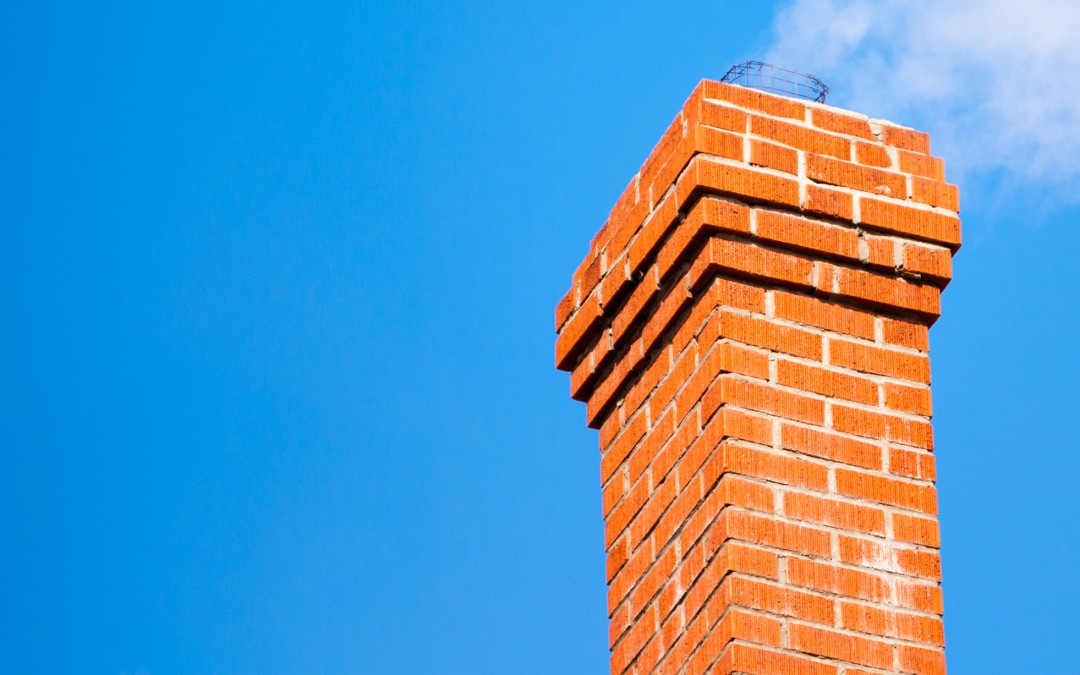
The Silent Problem Sitting Right Above Your Head
Most homeowners never look at their chimney properly. It sits several metres above the ground, quietly taking the full force of coastal wind, driving rain and frost, and because it rarely complains in an obvious way, it tends to be forgotten until something goes badly wrong. By the time a ceiling stain appears in the bedroom or a lump of mortar lands in the gutter, the damage has usually been developing for years.
That is the awkward truth about a damaged chimney. It is one of the most exposed parts of any property, yet it is also the part people are least likely to inspect. Across Worthing, Hove, Arundel, Horsham and Haywards Heath, we are regularly called to properties where a small, inexpensive repair has quietly turned into a full chimney rebuild simply because nobody spotted the early warning signs.
This guide is written for Sussex homeowners, landlords and property managers who want to know what to look for before a minor fault becomes an emergency. Below are the seven signs that your chimney needs urgent repair, what each one actually means structurally, and when it is time to pick up the phone rather than keep an eye on it.
1. Visible Cracks in the Brickwork: The Cracked Chimney You Can See From the Ground
A cracked chimney is often the first visible clue that something structural is happening. Fine hairline cracks in individual bricks are usually a weathering issue, but cracks that run in a stepped, staircase pattern through the mortar joints are a different matter entirely, because they suggest movement rather than surface wear.
Stepped cracking normally indicates that the stack is shifting, settling or being pushed out of alignment by water-saturated masonry expanding and contracting. Once a crack opens up, rain travels straight into the heart of the brickwork, and in winter that trapped moisture freezes, expands and widens the crack further. This freeze-thaw cycle is relentless, and it is the single biggest reason chimneys deteriorate faster than the rest of the roof.
If you can see cracks from ground level with the naked eye, the damage at roof level is almost always worse than it looks. A proper close-up assessment is the only reliable way to judge whether you are dealing with localised chimney stack repair or something more significant.
2. Crumbling Mortar Joints That Signal Overdue Chimney Repointing
Mortar is sacrificial by design. It is meant to be softer than the brick so that it absorbs movement and weather first, which means it will always need renewing long before the masonry does. When those joints start to recede, soften or fall out as sandy debris, your chimney has lost its weather seal.
Recessed joints create little shelves that hold rainwater against the brickwork instead of shedding it. Over time, the water penetrates deeper, reaches the flue, and begins to damage plaster and timber inside the roof space. Chimney repointing at this stage is a straightforward, cost-effective job, but if the joints are left until bricks begin to loosen, the only safe option becomes partial or full rebuilding.
A quick test many homeowners can do from the ground is to look at the joints through binoculars. If you can see shadow lines where the mortar has sunk back behind the face of the brick, the stack is due attention. Our chimney repairs service covers repointing, rebedding and full restoration depending on what the survey reveals.
3. Spalling Bricks and Masonry Debris in the Gutters
Spalling is the term for brick faces flaking, crumbling or popping off, and it is one of the clearest signs of a saturated, failing chimney. It happens when water soaks into the brick, freezes, and forces the outer face away from the body of the masonry. Once that protective face is gone, the exposed core absorbs water even faster, and the deterioration accelerates.
You will often notice the symptom before the cause. Small fragments of brick, grit or mortar collecting in the gutters, on flat roofs or in the garden below the stack are a reliable indicator that the chimney is shedding material. If you are already clearing debris while maintaining your gutters, fascias and soffits, it is worth looking up to see where that material is coming from.
Spalling is not cosmetic. Every lost brick face reduces the thickness and strength of the stack, and in exposed coastal locations such as Worthing and Hove, salt-laden air makes the process noticeably quicker.
4. A Leaking Chimney, Damp Patches and White Efflorescence
Water ingress is the most common reason we are called out to chimneys, and the evidence usually appears indoors first. Brown or yellow staining on ceilings near the chimney breast, bubbling paint, peeling wallpaper or a persistent musty smell in an upstairs room all point towards a leaking chimney rather than a general roof fault.
Another telltale sign is efflorescence, the chalky white staining that appears on brickwork. It is caused by soluble salts being carried to the surface as water moves through the masonry and evaporates. The deposit itself is harmless, but what it tells you is important: water is passing through the structure in volume, and it is only a matter of time before it reaches timber, plaster or the flue lining.
Left unresolved, chimney leaks rot roof timbers, saturate insulation and create the damp conditions that lead to mould. If the ingress is severe or storm related, it may need an immediate response, which is where our emergency roof work comes in before permanent repairs are scheduled.
5. Failed Flashing, Cracked Flaunching or a Damaged Chimney Pot Regional Labour Rates
The junction where the chimney meets the roof covering is the hardest-working detail on the entire roof, and it is where most chimney leaks actually originate. Lead flashing that has lifted, split, corroded or pulled out of its mortar chase allows rainwater to run straight down behind the stack and into the roof structure, often appearing internally some distance from the real entry point.
At the top of the stack, the flaunching (the sloped mortar fillet that beds the chimney pots) performs the same job in reverse by shedding rain away from the flue. When flaunching cracks or breaks away, water pours directly into the chimney itself, and loose pots become a genuine falling hazard in high winds. Missing or damaged chimney cowls and caps also allow rain, birds and debris straight into the flue.
These elements rarely fail quietly during a storm. If your area has recently been hit by high winds, a check of the flashing and flaunching should form part of any assessment for storm damage repairs.
6. Smoke Backing Into the Room, Poor Draw or Strange Odours
Not every warning sign is visible on the outside. If your fire has started to smoke back into the room, struggles to draw properly, or burns sluggishly where it used to burn cleanly, the flue is telling you something. Common causes include a partial blockage from a bird’s nest or fallen debris, a collapsed or shaled flue liner, or structural cracking that is disrupting airflow.
Strong smoky, musty or tar-like smells from a fireplace, particularly in warm or humid weather, usually indicate creosote deposits combined with moisture inside the flue. Creosote is highly combustible and is the principal cause of chimney fires, which is why regular sweeping matters as much as masonry maintenance.
There is also a serious safety dimension. A blocked or damaged flue can allow combustion gases to spill back into the room, and the UK Health Security Agency guidance on carbon monoxide and how to protect yourself is clear that chimneys and flues should be swept from top to bottom at least once a year by a qualified sweep and kept free from blockages. The Government’s Approved Document J on combustion appliances and flues sets out the construction and testing standards that any flue work should satisfy.
Stop using the fireplace and arrange a professional inspection straight away if you notice any of the following:
- Smoke consistently entering the room rather than rising up the flue
- A carbon monoxide alarm sounding, or headaches and drowsiness when the fire is lit
- Pieces of flue liner, soot or masonry falling into the hearth
- A strong burning or roaring sound from inside the chimney
7. A Leaning Chimney Stack or Separation From the Roofline
The most urgent sign of all is movement. A chimney that leans visibly, bulges in the middle, or has opened up a gap between itself and the roof covering has lost structural integrity and poses a real risk to the building and to anyone below it.
Leaning is typically caused by years of water saturation softening the mortar bed on one side of the stack, by sulphate attack within the brickwork, or by wind loading on a tall, unsupported chimney. Gaps appearing around the flashing, or daylight visible between the stack and the roof slope from inside the loft, all point to the same conclusion.
This is not a situation to monitor. A leaning stack requires same-day assessment and, in many cases, either a partial takedown and rebuild or a full chimney rebuild using the original bricks where they are sound. Our wider roof repairs service covers the surrounding tiles, flashings and timbers that are usually affected at the same time.
Why Sussex Weather Puts Extra Strain on Chimneys
Sussex properties face a particular combination of challenges. Coastal towns such as Worthing, Hove and Brighton contend with salt-laden air and driving rain, while inland areas around Horsham, Arundel and Haywards Heath see sharper frosts that drive the freeze-thaw cycle through saturated brickwork. Add in the number of Victorian and Edwardian homes with tall, original stacks, and you have the perfect conditions for gradual chimney deterioration.
Older chimneys were also built with lime mortar, which behaves very differently to modern cement. Repointing a heritage stack with the wrong mix traps moisture inside the brickwork and can cause more harm than the original defect. Getting the specification right matters as much as the workmanship, and it is one of the reasons we assess every stack on its own merits rather than applying a single standard approach.
What a Professional Chimney Inspection Actually Involves
A proper chimney inspection starts at roof level, because almost nothing meaningful can be judged from the ground. We assess the condition of the brickwork and mortar joints, check the flaunching and pots, examine the lead flashing and soakers at the roof junction, and look inside the loft space for signs of historic or active water ingress.
From there, the findings determine the repair pathway. That might mean localised repointing and rebedding of pots, renewal of failed lead flashing, rebuilding the top few courses of brickwork, or in more serious cases a complete chimney restoration. Where a chimney is redundant and beyond economic repair, removal and making good the roof is sometimes the most sensible option.
We are a family-run business with 25 years of experience and we are not tied to any one product or roofing system, so the advice you receive is independent and based on what genuinely suits your property and budget. You can read more about how we work on the about us page, or see examples such as our roof repairs project in Hove and roofing work in Arundel.
Why Delaying Chimney Maintenance Always Costs More
Chimney problems compound. Failed pointing lets in water, water weakens the brickwork, weakened brickwork loses its bond, and the stack begins to move. Each stage is significantly more expensive to resolve than the one before it, and the knock-on damage to roof timbers, plasterwork and decoration rarely stays confined to the chimney breast.
Routine chimney maintenance, by contrast, is modest and predictable. An annual visual check, a sweep before the heating season, and repointing every few decades will keep most stacks sound for generations. The homeowners who end up facing a full rebuild are almost never the ones who had the chimney looked at regularly.
Conclusion: The Crack You Ignore Today Is the Rebuild You Pay For Tomorrow
Chimneys fail slowly and then suddenly. The cracked mortar joint you noticed two winters ago is the same joint letting water into the roof timbers today, and potentially the same joint behind a leaning stack next year. None of the seven signs covered here resolve themselves, and every one of them gets more expensive the longer it waits.
The good news is that early intervention is genuinely straightforward. Repointing, flashing renewal and flaunching repairs are routine jobs for an experienced roofing team, and they buy decades of protection. If anything in this guide sounded familiar, the sensible next step is an inspection by roofers who work on Sussex chimneys week in, week out.
Frequently Asked Questions About Chimney Repairs
How often should a chimney be inspected and swept?
A chimney in regular use should be swept at least once a year by a qualified sweep, and more often if you burn wood or smokeless fuel heavily. Separately, a visual condition check of the brickwork, flashing and flaunching once a year, ideally in autumn before the worst weather arrives, will catch most structural issues early.
What does white staining on my chimney mean?
That chalky white deposit is efflorescence, caused by soluble salts being drawn to the surface as water moves through and evaporates from the masonry. The staining itself is harmless, but it confirms that water is passing through the brickwork, which usually means the pointing, flaunching or flashing needs attention before internal damp appears.
Is a cracked chimney dangerous?
It depends on the type of crack. Fine surface cracking in individual bricks is a weathering issue to monitor, but stepped cracks running through the mortar joints, bulging brickwork or a visible lean indicate structural movement and should be assessed urgently, as falling masonry is a genuine risk in high winds.
Can a leaking chimney cause damage elsewhere in the house?
Yes, and it frequently does. Water entering through a chimney travels along roof timbers and joists before it shows itself, so staining can appear some distance from the actual entry point. Prolonged ingress leads to rotten timbers, saturated insulation, damaged plaster and mould growth, all of which cost far more to repair than the original chimney fault.
Should I repair or rebuild my chimney?
If the brickwork is sound and the problem is confined to mortar joints, flaunching or flashing, targeted repairs and repointing are usually the right answer. A rebuild becomes necessary when bricks have spalled extensively, the stack has moved, or the masonry can no longer be repointed reliably. An inspection at roof level is the only way to make that judgement properly.
Can I inspect or repair my chimney myself?
You can carry out a useful ground-level check with binoculars, looking for recessed mortar, cracked bricks, loose pots and lifted flashing, and you can watch for damp patches indoors. Working at height on a chimney stack is a different matter and should be left to insured professionals with the correct access equipment, as both the fall risk and the risk of dislodging masonry are significant.
Book a Chimney Inspection Before the Next Storm Decides For You
If you have spotted cracked brickwork, crumbling mortar, damp patches or a stack that no longer looks quite straight, we would rather look at it now than after the next spell of bad weather. We will tell you honestly whether it needs repointing, flashing work, restoration or a full rebuild, with no pressure either way.
Email us at info@apexroofingsussex.co.uk or get in touch through the contact page and we aim to provide a quote within 24 hours. You can also read what other homeowners across Sussex have said about working with us on our customer testimonials page.